

Published December 2016 | Updated August 2025
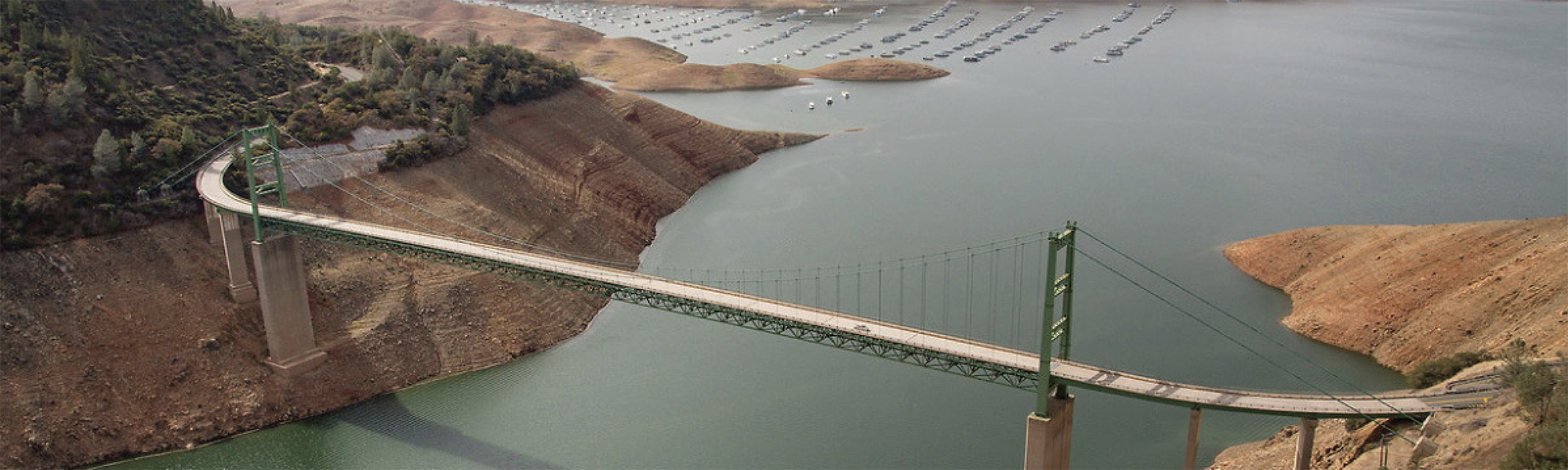
Ecolab City of Industry, California, Plant
Alliance for Water Stewardship (AWS) Case Study
Insights
As a global leader in water solutions and services, Ecolab remains dedicated to creating a more water-secure future through smart water management, conservation and stewardship. By 2030 we plan to continue to achieve a Net Positive Water Impact through:
- Reducing, recycling and replenishing water at operational sites. We aim to reduce water impact by 40% per unit production across our enterprise from a 2018 base year.
- Protecting local watersheds by working to restore greater than 50% of our absolute water withdrawal volume at high-risk sites.
- Delivering outcomes through the Alliance for Water Stewardship (AWS) Standard by achieving AWS certification for Ecolab manufacturing sites located in high-risk watersheds.
Ecolab’s manufacturing facility located in City of Industry (COI), California, is a key contributor to these goals. The COI plant primarily produces industrial cleaning and sanitizing chemicals. Located in Southern California, in the San Gabriel sub-basin, the COI plant relies on water distributed by water treatment plants that source water from Colorado River aqueduct and California aqueduct. Other water sources include local groundwater from the main San Gabriel basin. Recycled water from COI is discharged from the site to the San Jose Creek Water Reclamation Plant, then to a portion of the San Gabriel River and ultimately into the Pacific Ocean. Non-recycled wastewater is discharged to the Joint Water Pollution Control Plant (JWPCP) in Carson, California. The treated water from the JWPCP is sent to the Pacific Ocean off the Palos Verdes Peninsula.
Actions
To contribute to Ecolab’s enterprise water goals, the local team’s objective is to reduce annual water use per ton of product by 40% from 2018 to 2030.
The following projects help improve the facility’s water balance and have been implemented to reduce overall water use:
- Installation of volumetric flow meters on the boiler feedwater tank, reverse osmosis unit, cooling tower and deionized water system to better track on-site water use.
- Installation of Ecolab® Water Track IQ™ and Smart Water Valve to provide greater visibility and insight into water use and improvement opportunities.
- Upgrades to bottle washers to reduce water and optimize wash quality.
- Optimization of production scheduling to minimize washouts and reduce unnecessary washout cycles.
- Installation and improvements in mixing sprayballs with timers to reduce water use.
- Implementation of an idea collection system to gather water-saving ideas from all plant employees. This encourages all associates to view water as a shared resource and drives collective action that feeds into water-savings discussions during monthly business reviews.
- Continuous improvement of the washout water program to capture and reuse the first rinse for manufactured products.
Reduction of water used for landscaping. - Review and relaunch of the on-site water safety plan.
- Enactment of a dry floor policy to reduce the amount of washdown that occurs during filling.
Outcomes
As a result of these actions, the COI plant achieved savings in water and energy use. The improvements made at the site have proved to be a helpful step forward for enhancing the site’s operations and advancing Ecolab’s sustainability goals.
Featured Solutions
Leveraging Ecolab solutions and digital technologies help the COI manufacturing facility reduce, reuse and recycle water.
To improve the overall health of local watersheds, and as part of Ecolab’s efforts to create 2030 Positive Impact, we have prioritized AWS certification in high-risk watersheds in which we operate.

Good Water
Governance
✓

Sustainable Water
Balance
✓

Good Water
Quality Status
✓

Important Water-Related Areas
✓

Water Sanitation and
Hygiene (Wash)
✓
Water Stewardship Journey
Ecolab is committed to sustainable water use in our facilities and collaboration with other businesses at the local level. In alignment with Ecolab’s commitment to a holistic approach to water management across its manufacturing facilities, the company decided to implement the Alliance for Water Stewardship (AWS) International Water Standard at its COI plant in 2016 and version 2.0 in 2020. The facility has continued to stay up to date on AWS requirements to uphold the core certification. In 2024, COI joined Carson and Placentia as the first multi-site AWS certification in the United States.
To identify shared water challenges in the San Gabriel sub-basin, where COI is located, a comprehensive risk assessment was performed leveraging insights from Ecolab® Water Navigator IQ™ and the World Resources Institute (WRI) Aqueduct Atlas to identify shared and site-level water challenges.
Ecolab’s water stewardship approach aims to make a positive impact within our operations and on the water challenges within the communities in which we operate in. Primary shared challenges between the plant and relevant, local stakeholders include water scarcity due to reduced snowpack from existing water sources, aging water infrastructure, urban water runoff, water quality, groundwater overdraft, saline intrusion into groundwater and loss of wetlands and species. Additional shared challenges include seismic risk, floods and wildfires. To address the primary shared issues, Ecolab collaborates with other water users in the basin, including the AWS-certified Ecolab facilities in Carson, California, and Placentia, California.
To effectively address these challenges, Ecolab’s strong water stewardship approach strives for continuous improvement in sustainable site water balance and water quality. Our holistic approach includes a focus on important water related areas (IWRA) and Water Sanitation and Hygiene (WASH), and our continued progress across all these critical areas depends on our strong water governance.
Using Ecolab® Water Navigator IQ™ to quantify the progress made against the five AWS outcomes, the COI site is considered Water-Smart on the Water Maturity Curve. The Water Maturity Curve illustrates the quantified state of a site’s water strategy and management plan. A facility’s place on the curve is determined by a set of criteria that includes governance and strategy, target setting, water management practices and water stewardship. The criteria incorporates principles consistent with the five outcomes of the AWS framework, both emphasizing that strong water management includes continuous improvement and collaboration inside and outside the facility’s operations.
sustainable water balance

Sustainable Water Balance
Net Positive Water
A sustainable water balance and smart water management approach within our own operations is a critical component in achieving a localized net positive water impact. Aligned with the enterprise goals, the local team’s objective is to reduce the site’s annual water use per ton of product by 40% from 2018 to 2030. The team at Ecolab’s COI plant assessed the facility for opportunities to decrease water use across operations to meet Ecolab’s targets to create 2030 Positive Impact. Implementation of water reduction projects is prioritized based on risk probability and impact to site-level and community stakeholders.
water Quality

Water Quality
Water Quality Approach
At the plant level, the Safety, Health and Environmental (SHE) department is responsible for wastewater compliance. The site’s production supervisors are responsible for wastewater discharge and pH monitoring. Additionally, the SHE manager is ultimately responsible for pH monitoring, wastewater compliance and the plant manager is accountable for overarching wastewater compliance. The corporate environmental lead is available to consult on regulatory updates and wastewater compliance. Site water-related compliance information is available upon request, including necessary corrective action taken by the site to prevent future occurrences. Additionally, Ecolab's CDP Report discloses any violations and associated corrective actions.
At a corporate level, the corporate sustainability team is guided and advised by the Sustainability Executive Advisory Team (SEAT), which is made up of the company’s most senior business and divisional leaders. In addition, Ecolab’s Sustainability, Water Stewardship and Safety, Health and Environment (SHE) positions are publicly available and serve as commitments to and guidance on water-related issues and compliance. Ecolab’s Sustainability Position formalizes Ecolab’s global commitment to sustainability within the company and its impact on customers. Ecolab’s Water Stewardship Position reinforces Ecolab’s global commitment to responsible water stewardship by identifying opportunities for the company and its customers to use water resources in a manner that benefits business, communities and nature. Ecolab’s SHE Position outlines the company’s commitment to excellence in safety, health and environmental practices and performance across global operations..
Water Governance
Water Governance
Water Governance Approach
At the plant level, the Safety, Health and Environment (SHE) Department, including but not limited to the SHE manager and SHE specialist roles, is ultimately responsible for utility efficiency programs and compliance with governing environmental regulations. The corporate environmental lead is available to consult on regulatory updates and wastewater compliance. Site water-related compliance information is available upon request, including necessary corrective action taken by the site to prevent future occurrences. Additionally, Ecolab’s CDP Report discloses any violations and associated corrective actions.
The corporate sustainability team is guided and advised by the Sustainability Executive Advisory Team (SEAT), which is made up of the company’s most senior business and divisional leaders. In addition, Ecolab’s Sustainability, Water Stewardship and Safety, Health and Environment (SHE) positions are publicly available and serve as commitments to and guidance on water-related issues and compliance. Ecolab’s Sustainability Position formalizes Ecolab’s global commitment to sustainability within the company and its impact on customers. Ecolab’s Water Stewardship Position reinforces Ecolab’s global commitment to responsible water stewardship by identifying opportunities for the company and its customers to use water resources in a manner that benefits business, communities and nature. Ecolab’s SHE Position outlines the company’s commitment to excellence in safety, health and environmental practices and performance across global operations.
Important Water Related Areas (IWRA) // Water, Sanitation and Hygiene (WASH)

Important Water Related Areas (IWRA)
Water, Sanitation and Hygiene (WASH)
Collective Action
In addition to internal operational improvements, Ecolab’s Garyville facility’s external water stewardship activities are ongoing. Shared challenges between the plant and relevant local stakeholders include flooding, natural disasters, water pollution, subsidence issues, loss of wetlands and wetland species, water infrastructure issues and chemical spills. To address these shared issues, Ecolab collaborates with other water users in the basin.
Ecolab previously participated in the Community Action Panel (CAP) to engage local stakeholders including local business and community members, on water-related issues. To address shared issues, Ecolab continually collaborates with other users in the basin, shares its AWS journey, and seeks feedback on practices in the five outcome areas of the AWS Standard.
The Ecolab Foundation supports the Loch Leven Flood plain reconnection project in Wilkinson, Mississippi. This project is in partnership with The Nature Conservancy (TNC) to restore and enhance 10,000 wetland acres and provide 12.1 billion gallons of flood storage capacity to local communities. Ecolab was a participating company in the Louisiana Water Synergy Project (LWSP). The LWSP worked with over 20 companies in the Lower Mississippi River Basin to address a wide range of water supply, water quality, stormwater and coastal resiliency issues. In 2025, The facility donated surplus super sack bags to local municipalities for use as sandbags to help prevent flooding and erosion.
On top of local water stewardship efforts, Ecolab’s global giving program, Solutions for Life, enhances the company’s mission to conserve and protect freshwater through partnerships and additional projects with TNC and the Project WET Foundation. In early 2026, employees from Ecolab’s Garyville facility will be working with a local math and science magnet school to lead water and conservation activities, using the Ecolab Project WET employee activity guide.
This case study was created to comply with AWS indicators 5.1.1, 5.2.1, 5.3.1. 5.4.1, 5.4.2, 5.5.1, 5.5.2 and 5.5.3. For more information, please contact sustainability@ecolab.com.